How to Choose Wireless Earbuds - Buyer's Guide
Last updated: 6 Feb 2026
ANC vs No ANC: Is the Price Jump Worth It
Active noise cancellation on earbuds is genuinely useful, but it comes with a significant price bump. You're looking at $120 minimum for basic ANC, jumping to $250+ for the good stuff. The question is whether that money makes sense for you.
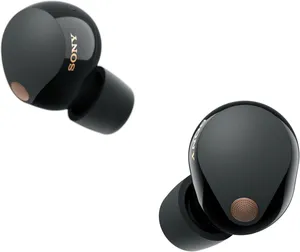
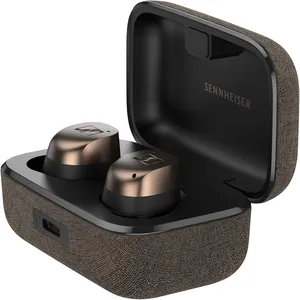
ANC earbuds shine on planes, in offices, and on noisy commutes. They kill low-frequency rumble effectively, making everything feel quieter and less fatiguing. The Sony WF-1000XM5 ($248) and Sennheiser Momentum TW4 ($300) both handle this well.
But here's the reality: if you're mostly using earbuds indoors or in quieter environments, ANC is wasted money. The Sony WF-C700N ($119) offers basic ANC and costs half as much. For most people doing light noise blocking, that's perfectly adequate.
The real value of ANC isn't just blocking noise. It's reducing listener fatigue on long journeys. That matters if you commute daily, but less so if you're occasional user. Budget earbuds without ANC do the job fine for casual listening.
My take: ANC is worth the extra cost if you're on planes or buses regularly. If you're mostly in quiet rooms, skip it and spend that money on better sound quality instead.
Ecosystem Lock-In and Choosing Your Brand
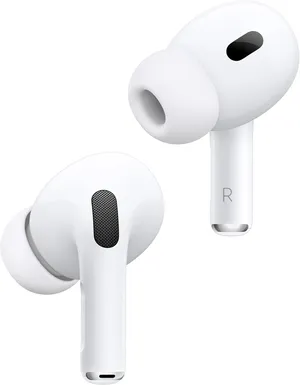
This is the awkward conversation nobody likes having, but it matters. AirPods Pro 2 work brilliantly with iPhones and less brilliantly with Android. Galaxy Buds3 Pro are designed for Samsung phones. Pixel Buds Pro 2 love Android but feel tacked-on with iPhones.
The lock-in is real but not devastating. You can use any earbuds with any phone via standard Bluetooth. What you lose is effortless switching between devices, quick pairing, special features, and proper codec support. With AirPods on Android, you get basic audio quality and a clunky pairing experience.
If you've got a single device ecosystem, buy earbuds designed for it. AirPods for iPhone, Galaxy Buds for Samsung, Pixel Buds for Android. You'll get the best experience, and honestly the features justify it if you're already invested.
Cross-platform users should avoid brand-specific options. Sony, Sennheiser, and Bose work fine across devices without penalties. You lose some convenience features, but you keep proper functionality everywhere.
Don't let brand evangelists bully you. Buy what works best for your actual setup, not what some fanboy insists is objectively superior.
IP Ratings Explained: What They Actually Guarantee
IP ratings are confusing, so let me simplify. The first number is dust protection (0-6), the second is water resistance (0-9). For earbuds, you mainly care about water resistance.
IP4X means they'll handle sweat and light rain. Fine for gym use, not great for swimming. IP5X means water jets won't break them. Still not waterproof enough for submersion. IPX7 means they survive brief submersion up to 1 metre for 30 minutes. That's the sweet spot for most earbuds.
Most decent earbuds sit at IPX4 or IPX5. That's adequate for workouts and rain, which covers 90% of real-world use cases. You're not dropping these things in a pool anyway.
Here's the catch: IP ratings test new earbuds. After a year of use, with worn seals and dirt in the charging contacts, actual water resistance degrades. Don't assume your three-year-old earbuds are still rated just because they were when new.
For daily use in Australia's climate, IPX4 minimum is sensible. IPX5 is better if you're sweaty or exercise regularly. Anything beyond that is overkill unless you're literally swimming with them, which is rare and ruins sound quality anyway.
Battery Life and Case Battery: The Real Numbers
Earbud battery life claims are usually optimistic. Manufacturers test at lower volume in ideal conditions. Real world, expect 20-30% less. The Sony WF-1000XM5 claims 12 hours with ANC on. You'll probably get 8-10 hours of actual listening.
The case battery is what saves you. Proper cases hold 20-40+ additional hours of charge, meaning you can go days without plugging in if you're not using them constantly. That's where the marketing figures come from.
For daily users, earbuds that last 6+ hours per charge are fine because you'll stick them in the case overnight and you're topped up. You only need the full case charge if you travel or can't access power regularly.
Fast charging matters more than people realise. Earbuds that give you an hour of play from 5-10 minutes charging are lifesavers when you forget them at home. Check whether your prospective buds support it.
Wireless charging cases are nice but not essential. They're convenient if you've got a wireless pad at your desk or car, otherwise they're a gimmick. Same with solar charging. Stick with wired cases, they're more reliable.
Ear Tip Fit and Comfort: Getting This Right
Fit is everything with earbuds. Perfect sound quality means nothing if they fall out or hurt your ears after 30 minutes. This is why you should try them before buying if humanly possible.
Most earbuds come with three tip sizes. Small, medium, large. Medium fits most people but genuinely doesn't fit everyone. Some ears are shaped weirdly, some ears are tiny, some are huge. Knowing which size works for you saves headaches.
The seal matters for both ANC and sound quality. Loose fit means weak noise cancellation and tinny sound. Too tight and they hurt. The sweet spot is a gentle seal that feels like nothing is there.
Some earbuds have winged inserts or ear hooks for stability. Good if you've got active plans or run regularly. Bad if you just want to sit down and chill. Know your use case before assuming you need stabilisation.
Comfort varies across brands. AirPods Pro 2 fit some people perfectly and give others a headache. Sennheiser Momentum TW4 are more comfortable for smaller ears. Sony WF-1000XM5 suit average ears well. Return policies exist for a reason, use them to test fit at home.
Budget Tiers for Australian Earbuds
The earbud market splits into three realistic tiers for Australian buyers, and each tier has legitimate options.
Budget tier (under $120) gets you basic earbuds without ANC or with minimal ANC. The Sony WF-C700N ($119) sits right here and punches above its weight. You'll get decent sound, basic noise blocking, and a case that lasts several days. Fine for casual listening and light exercise.
Mid-range ($120-250) is where most people should shop. Sony WF-1000XM5 ($248), AirPods Pro 2 ($294), and Sennheiser Momentum TW4 ($300) offer proper ANC, better sound, and improved battery life. This tier balances features and value effectively.
Flagship ($250+ ) includes premium options like Bose QC Ultra Earbuds ($349) and Jabra Elite 10 Gen 2 ($349). You're paying for cutting-edge features, sometimes not dramatically better sound quality. Better to ask if you actually need what they offer.
My honest take: the mid-range tier has the best value proposition. Spend $250 here rather than $400 on flagship unless you've got specific features you need. Most people won't notice the difference in real life.
My Top Picks
Ready to pick one?
Check out my ranked list with scores, prices, and AU availability.
See the Best Wireless Earbuds