How to Choose Noise Cancelling Headphones - Buyer's Guide
Last updated: 1 Feb 2026
What Actually Matters in Noise Cancelling Headphones
Skip the marketing speak. Three things separate decent noise cancelling headphones from rubbish ones: how well the active noise cancellation (ANC) actually works, whether they sound good, and if you can wear them for more than two hours without your ears staging a revolt.
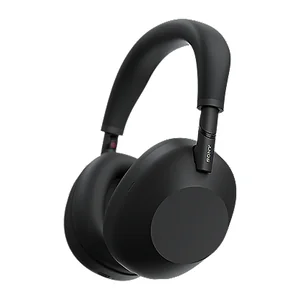
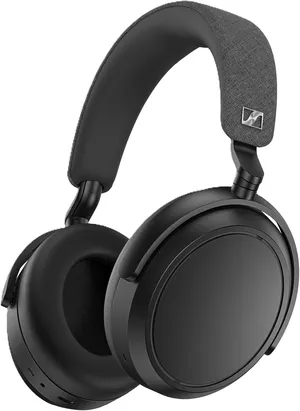
ANC quality varies heaps. The Sony WH-1000XM6 and Bose QC Ultra nail the fundamentals, killing low-frequency rumble effectively. But expensive doesn't always mean better, and a $350 Sennheiser Momentum 4 will handle most noise just fine if you're not picky.
Sound signature matters more than people think. Some headphones boost the bass so hard they sound like you're living inside a subwoofer. Others are thin and lifeless. Your ears, your call. Try them if you can before buying.
Comfort is non-negotiable if you're wearing these daily. I don't care how good the ANC is if your ears hurt after 90 minutes. Clamp force, ear cup shape, and headband padding matter. Check return policies before committing to anything.
Understanding Bluetooth Codecs and What They Mean
Bluetooth codecs determine how your audio gets sent from your phone to your headphones. Most people won't hear a difference between them in real life, but it's worth knowing what you're getting.
AAC is Apple's standard and works everywhere. SBC is the ancient fallback that's basically fine for most stuff. LDAC (Sony's codec) and aptX (Qualcomm's) promise better sound quality, but you need both your phone and headphones to support them. Some newer Android phones do, iPhones don't.
Don't pay extra just for codec support unless you're actually using a compatible device. A Sony WH-1000XM6 on an iPhone uses AAC, not LDAC, so you're not getting that benefit. Check your phone first.
Real talk: the difference between AAC and aptX is subtle if your music isn't lossless. If you're streaming Spotify or Apple Music, you're probably not going to care. The source matters more than the codec in that scenario.
Battery Life You Can Actually Rely On
Battery claims are often rubbish. Manufacturers test at moderate volume in silence, which nobody does in real life. Expect 10-20% less battery than their specs suggest when you're actually using ANC at normal volume.
The Sony WH-1000XM6 claims 30 hours with ANC on. Real-world? More like 26-28 if you're using them hard at normal volume. The Sennheiser Momentum 4 gets close to its 60-hour claim because it's a massive brick with a monster battery, but you might not want to wear something that weighty all day.
For daily commuting or office work, anything above 8 hours is fine because you'll probably charge overnight. For travel, you want 10+ hours minimum so you're not hunting for a power socket on a long flight.
Check whether the headphones support fast charging. Some'll give you a useful hour of play from a 5-minute charge, others need a full 30 minutes to get anything useful. That matters when you're at the airport with 20 minutes to spare.
Wired vs Wireless ANC: Which Actually Works Better
Here's the thing: wireless ANC is good enough now that wired doesn't have a real advantage anymore. You're not getting dramatically better noise cancellation by plugging in a cable, despite what some audiophiles claim.
The only reason to go wired is if you've got a 3.5mm jack on your device and want to avoid the ANC power consumption. Most modern phones don't have a jack anyway, so you're looking at a USB adapter, which defeats the purpose.
Wireless ANC has come a long way. The Sony WH-1000XM6 and Bose QC Ultra both handle plane noise, traffic, and office chatter effectively without any wire. You get freedom of movement and don't have to faff with cables.
If you're buying headphones in 2026, assume wireless. It's the standard now. Nobody's bringing back the 3.5mm jack, and trying to future-proof your purchase by going wired is a waste of money.
Price Tiers That Actually Make Sense in Australia
Australia's headphone market is split pretty clearly by price, and each tier has legitimate options worth considering.
Budget tier (under $200) gets you basic ANC that works for blocking office noise or traffic but struggles with plane rumble. The Sony WH-1000XM4 at $289 dips into this range if you catch a sale, and it's still a solid choice. Expect 20-30 hours battery life and decent sound.
Mid-range ($200-400) is where most people should shop. The Bose QC Ultra ($399) and Sennheiser Momentum 4 ($350) live here, along with the previous-generation Sony WH-1000XM5 if you catch it on sale. Better ANC, better sound, better comfort for long sessions. This is the sweet spot for daily users.
Flagship ($400+ ) includes the new Sony WH-1000XM6 ($699) and the AirPods Max ($799) if you're locked into Apple's ecosystem. The XM6 earns its price with the best ANC on sale, but the mid-range options get you most of the way for a lot less. Spend here only if you want the outright best.
My advice: figure out your actual use case first, then buy the best option in the tier that fits it. Overspending on flagship stuff doesn't always mean better results.
Australian Consumer Law and Warranty Matters
Australia's Consumer Law gives you rights that matter. All headphones sold here come with an implied warranty of acceptable quality. If they break within six months, the retailer has to fix or replace them, no questions about normal wear and tear.
That covers manufacturing defects like battery failures, driver issues, or button failures. It doesn't cover if you step on them or drop them in water, so don't expect a free replacement if you're careless.
Manufacturer warranties vary. Sony typically offers 12 months from purchase on most models. Bose is similar. Check the warranty period before buying, especially if you're ordering from overseas retailers. Some offer longer coverage if you register your headphones.
Keep your receipt or proof of purchase. It's your evidence for warranty claims, and retailers can be difficult without it. If something goes wrong, contact the retailer first, not the manufacturer. Australian Consumer Law makes the seller responsible, not the brand.
AppleCare+ exists for AirPods Max if you want accidental damage cover, but honestly, just buy some decent case and be careful. It's cheaper than adding AppleCare+.
My Top Picks
Ready to pick one?
Check out my ranked list with scores, prices, and AU availability.
See the Best Noise Cancelling Headphones