How to Choose a Portable Speaker - Buyer's Guide
Last updated: 25 Apr 2026
Size Class Determines What the Speaker Is For
Portable Bluetooth speakers in 2026 come in three meaningful size classes, and the choice between them is mostly about where the speaker will live.
Mini (under 500g): JBL Clip 5 ($89), JBL Go 4 ($69), Bose SoundLink Micro ($169), Sony SRS-XB100 ($79). Pocket-portable, integrated carabiner or strap, 8-12 hour battery, IP67 dust/water rating. Sound is okay for one person at a campsite or a beach blanket; not loud enough for a group party. Best for solo bushwalk and beach use.
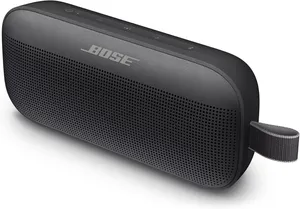
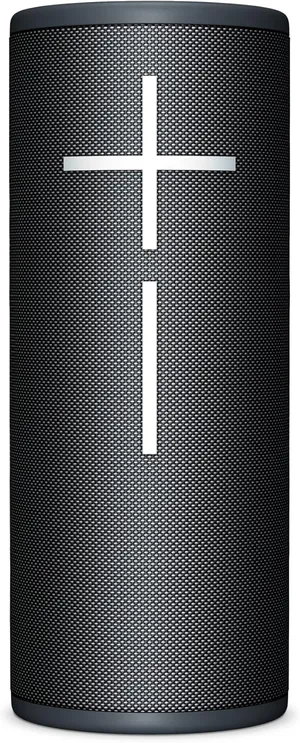
Mid (500g to 1.5kg): JBL Charge 6 ($229), JBL Flip 7 ($169), Sony SRS-XE200 ($249), Bose SoundLink Flex (Gen 2) ($269), UE Boom 4 ($229), Sonos Roam ($299). The volume sweet spot for portable use. 12-20 hour battery, IP67 rating, loud enough for a group of 4-8 people in a backyard or at a small picnic. The default category for most buyers.
Party (1.5kg+): JBL Xtreme 4 ($499), JBL Boombox 3 ($799), Sony SRS-XV900 ($1,199), Bose Portable Smart Speaker ($699). Backpack-style or large form factor, 15-24 hour battery, IPX5+ water rating but heavier and not pocket-portable. Loud enough for a backyard party of 20+ people. Best for buyers who specifically host outdoor events.
For most buyers, the mid tier ($170-300 range) is the right size class. Mini speakers are too quiet for typical group use; party speakers are too heavy for everyday portability.
Battery Life: What You Actually Get vs the Spec Sheet
Manufacturer battery claims are tested at moderate volume with neutral content. Real-world battery life at the volumes most buyers actually use (party-loud) is typically 50-70% of the spec.
JBL Charge 6 quotes 28 hours at moderate volume; real-world at party volume is 12-15 hours. JBL Flip 7 quotes 14 hours; real-world is 8-10. Bose SoundLink Flex quotes 12 hours; real-world is 8-9. Sonos Roam quotes 10 hours; real-world is 7-8.
The implication: for a single-day beach or party use, any mid-tier speaker is fine. For a 2-3 day camping trip without recharging, the larger party speakers (JBL Xtreme 4, Sony SRS-XV900) earn their bulk. JBL Charge 6 and JBL Boombox 3 specifically have USB-C output for charging your phone from the speaker; useful for extended trips.
Charging speed matters too. JBL Charge 6 charges via USB-C PD at 30W; 0-50% in 90 minutes. Bose SoundLink Flex charges via USB-C at 7.5W; 0-50% takes 2.5 hours. Sonos Roam supports Qi wireless charging plus USB-C. For weekend trips, fast charging matters more than peak battery life because you can top up at lunch.
IP Ratings: What the Numbers Actually Mean
IP ratings (Ingress Protection) tell you how dust- and water-resistant a speaker is. The two digits matter: first is dust, second is water.
IPX4: splash-resistant. Light rain or a spill is fine. Not for rain or pool use.
IPX7: water-resistant to 1 metre depth for 30 minutes. Survives being dropped in a pool or used in heavy rain.
IP67: dust-tight (no dust ingress) plus water-resistant to 1m for 30 minutes. The standard for most modern portable speakers.
IP68: dust-tight plus water-resistant beyond 1m (manufacturer specifies depth). Some speakers float (JBL Charge 6 specifically).
For Australian use cases (beach, pool, kitchen, BBQ, camping), IP67 is the sensible minimum. JBL Charge 6, JBL Flip 7, JBL Boombox 3, Bose SoundLink Flex Gen 2, Sony SRS-XE200, UE Boom 4, and Sonos Roam are all IP67.
Salt water is harder than freshwater. JBL specifically rates the Charge 6 for saltwater use; most other IP67 speakers are tested with fresh water only and may corrode internal components if dunked in saltwater repeatedly. Rinse with fresh water after beach use regardless of brand.
Sound Quality: Genre Matters More Than Brand
Portable speaker sound quality at $200-300 has improved enormously in 2024-2026 generations. Side-by-side blind tests show top brands are within 10-15% of each other on objective measures.
Where the brands differ is tuning preference:
JBL tunes for bass-heavy modern pop, hip-hop, and EDM. Bass-forward presentation that sounds great with current chart music; can sound boomy with acoustic or vocal-heavy content. Charge 6 specifically has dedicated passive radiators for low-end extension.
Bose tunes for balanced, clear, slightly mid-forward presentation. Best across genres including acoustic, vocals, classical, podcasts. SoundLink Flex Gen 2 is the most balanced mid-tier portable in 2026.
Sony tunes for V-shaped (boosted bass and treble) presentation that emphasises detail and impact. Sounds impressive but can fatigue with extended listening. Mega Bass mode adds extra low end.
UE Boom 4 tunes for 360-degree dispersion (the cylindrical design fires sound in all directions). Less front-focused than JBL or Bose; better for placing in the centre of a group.
Sonos Roam tunes for the Sonos house sound (balanced, slightly mid-forward, similar to Era 100). Integrates with home Sonos system via Wi-Fi when in range, switches to Bluetooth outdoors.
For most buyers, Bose SoundLink Flex Gen 2 is the recommended portable for genre-flexible sound quality. JBL Charge 6 wins for bass-heavy listening. Sonos Roam wins for buyers who already have Sonos at home.
Connectivity: Bluetooth, Auracast, and Multi-Speaker Pairing
Bluetooth 5.3 is standard on every 2024+ portable speaker. Range is around 30m line-of-sight, less through walls.
Auracast (LE Audio broadcast) is Bluetooth's new feature for one phone broadcasting to many speakers simultaneously without pairing each. JBL Charge 6, JBL Flip 7, JBL Xtreme 4, JBL Boombox 3 all support Auracast in 2026. The use case: one phone driving multiple JBL speakers at a party for stereo or party-mode multi-speaker. Sony's similar feature is Party Connect (works between Sony XB speakers); JBL's is PartyBoost or Auracast. Bose's is SimpleSync (pairs with Bose Smart Soundbars).
Stereo pairing: most brands let you pair two of the same model for true stereo. Two JBL Charge 6 in stereo is a meaningfully better setup than one for music-focused use.
Wired: most portable speakers have a USB-C charging port. A few (JBL Charge 6, JBL Boombox 3) have an auxiliary 3.5mm input. Most have eliminated 3.5mm in 2024+ generations.
Voice assistant integration: most portable speakers do NOT have built-in voice assistants in 2026 (the speaker is paired to your phone for voice queries). Sonos Roam is the exception with Alexa/Sonos Voice on-board.
Australian Price Tiers in 2026
Entry mini ($69 to $179): JBL Go 4 ($69), JBL Clip 5 ($89), Sony SRS-XB100 ($79), Bose SoundLink Micro ($169), JBL Flip 7 ($169). Adequate for solo use, kids, kitchen, bathroom.
Mid-range portable ($200 to $350): JBL Charge 6 ($229), UE Boom 4 ($229), Sony SRS-XE200 ($249), Bose SoundLink Flex Gen 2 ($269), Sonos Roam ($299). The default category for most buyers. 12-20 hour battery, IP67, loud enough for a group.
Party ($400 to $1,200): JBL Xtreme 4 ($499), JBL Boombox 3 ($799), Sony SRS-XV900 ($1,199). Heavy, loud, for buyers who genuinely host outdoor events.
Sales matter. JB Hi-Fi, BCF, Anaconda and Big W all run major portable speaker sales around EOFY (June), Boxing Day (December), Click Frenzy (May, November), and the summer-shopping window (October-December). JBL Charge 6 drops to $179 routinely on sale. Bose discounts less aggressively; Sonos rarely.
Where to Buy and ACL Coverage
ACL for portable speakers follows the standard retailer-first rule. Reasonable-durability standard for a $200-300 portable speaker is 4-5 years; for $500-1,000 party speaker is 5-7 years.
JB Hi-Fi stocks every major brand. Best price leader for portable speakers in Australia. Care Plus rarely worth it; ACL covers most failure modes (battery degradation specifically is grounds for ACL claim if capacity drops below 80% within reasonable lifespan).
BCF, Anaconda, Rebel stock outdoor-focused portable speakers (specifically the JBL Charge and Boombox lines, Bose SoundLink). Sometimes cheaper than JB on sale.
The Good Guys, Harvey Norman, Officeworks stock mainstream brands at competitive pricing.
JBL, Sony and Bose are widely discounted online. Stick to listings sold directly by a recognised Australian retailer, not third-party marketplace sellers, for ACL accountability.
Big W, Target, Kmart stock entry-tier portable speakers (mostly JBL Go and Clip). Acceptable for ACL claims through familiar channels.
Manufacturer direct (Sonos Australia, Bose Australia): rarely cheapest but cleanest warranty path.
Battery is the most common failure mode after 3-4 years of regular use. The ACL's reasonable-durability standard means a sub-80%-capacity battery within 4 years on a $200+ speaker is grounds for retailer-led service or replacement claim. Document the battery life from week 1 so you have a baseline if you need to claim later.
My Top Picks
Ready to pick one?
Check out my ranked list with scores, prices, and AU availability.
See the Best Portable Speakers