Heating an Australian Home Without Doubling Your Power Bill
Last updated: 23 May 2026
The Honest Numbers
The average Australian retail electricity price in 2026 sits around 32 cents per kilowatt hour. That means every 2400W electric heater you run at full output costs you 77 cents per hour. If you run it eight hours a night, six nights a week, for three months of real winter, that single heater adds roughly $440 to your power bill. Two heaters running across two rooms doubles it. Anyone telling you that a particular brand of resistive electric heater is cheaper to run than another brand is either confused or selling something. The same wattage makes the same heat. The only thing that varies is whether the thermostat cycles the element off correctly so you are not running it flat out the whole time.
Reverse-cycle air conditioning is different. A modern split system with a coefficient of performance around four delivers four kilowatts of heat for every kilowatt of electricity it draws. That same 32 cents per kilowatt hour of input gets you about a dollar twenty-eight of heat. For an equivalent room over the same period, reverse-cycle costs roughly a quarter of what a portable electric heater costs. That ratio is the single biggest fact in Australian winter heating and almost no one talks about it because portable heaters are cheap to buy and reverse-cycle is not.
Heat the Person, Not the House
Australian houses leak. Single-pane windows, weatherboard exteriors with no wall insulation, gaps around skirting boards, uninsulated suspended timber floors, and a gap under every door big enough for a postcard. Heating one of these whole-house is fighting physics. The heat leaves faster than any 2400W heater can replace it. The room gets to twenty degrees, the heater shuts off, and inside five minutes you are at sixteen again. So the heater fires back up. So you pay again.
The smart move is the opposite of what brochures suggest. Close the door to the room you are in. Heat that room. Let the rest of the house stay cold. A 2400W heater in a closed twenty square metre room with a roll of foam draught seal around the door will hold temperature with the thermostat cycling the element off most of the time. Same heater in an open-plan living-kitchen-dining with stairwell will run flat out all evening and still not feel warm. The room defines the heating bill, not the brand on the box.
If you are renting and cannot change the building, you can still buy a $9 door snake from Bunnings, a roll of foam window seal for $14, and a heavy curtain you can pull across the doorway between the kitchen and the living room. Those three changes can do more for your heating bill than any heater you buy.
When Electric Heaters Are Actually the Right Call
Reverse-cycle wins on running cost in any room you heat regularly. So why does anyone still buy electric heaters? Because the maths only works when you account for the install cost. A decent split system costs roughly $2,000 to $3,500 supplied and installed. If you are heating one bedroom for an hour at bedtime through three months of winter, you will never make that capital back on the savings. The portable heater wins.
The electric heater is the right answer for: spare bedrooms used a few hours a week, study or office spaces, bathrooms during the morning routine, any rental property where you cannot install permanent fixtures, and any home where you genuinely only heat one small room.
The electric heater is the wrong answer for: large open-plan living areas, full evenings of family time in a shared space, anywhere you run heating six or more hours a day. In those cases, save up and get reverse-cycle.
Three Heating Budgets
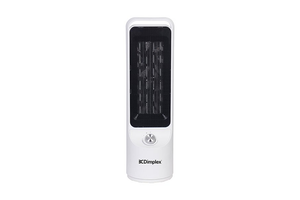
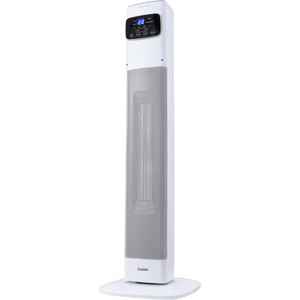
Under $200. The Dimplex 2kW Ceramic (DHCERA20M) at $129 or the Goldair Smart 2400W Tower (GCT330) at $149 both deliver the maximum 2400W an Australian wall outlet can supply. The Dimplex is the compact pick for under a desk in a home office. The Goldair throws warm air higher and works better in a small living room. Neither will fail you for one room of evening warmth. Skip anything cheaper than these. No-name $40 heaters at Kmart have unreliable thermostats that cook through their lifetime worth of duty cycles in a single winter.
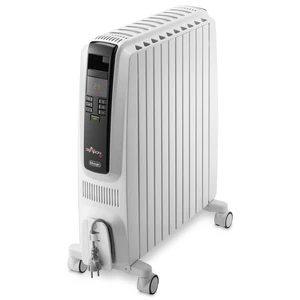
Under $500. The DeLonghi Dragon 4 oil column (TRD42400ET) at around $279 is the silent, slow-soak choice for bedrooms in cold-climate cities. Twenty minutes to come up to temperature, but then it holds heat for hours after the element switches off, so the duty cycle drops and the running cost drops with it. Class-leading for Melbourne and Hobart bedrooms where you also need to sleep.
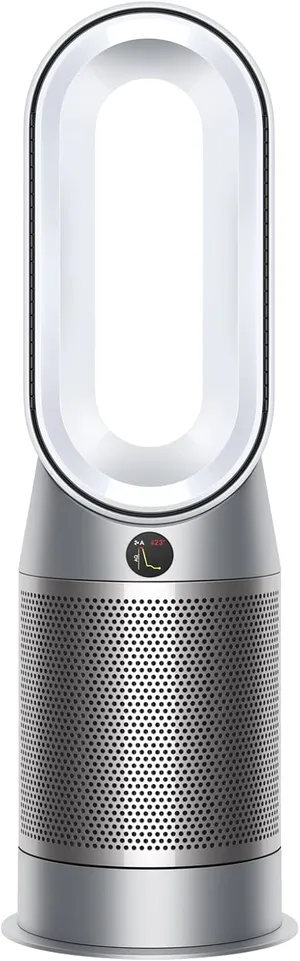
Premium and worth it. The Dyson Purifier Hot+Cool (HP07) at $899 is twice the cost of the next best heater on this list. You are not paying for better heat. You are paying for HEPA filtration, year-round use as a cooling fan in summer, the bladeless design that is genuinely safer near small kids and pets, and the Asthma Australia endorsement. If you have a child with allergies or live somewhere that gets bushfire smoke every summer, the maths works. If you just want a heater, it does not.
Mistakes That Double Your Bill
Heating empty rooms. Bedrooms during the day. Kitchens you walk through. Bathrooms you used at 7am still being heated at 8pm because the thermostat was set high and you forgot. Every heater in every room that nobody is actually in is converting your money into wasted warmth. Use timer plugs. The Officeworks $19 mechanical timer plug works fine. Set the heater to come on for the half hour before you use the room and off when you leave.
Wrong heater for wrong room. Ceramic fan heater in a quiet bedroom because the fan noise wakes you at every thermostat cycle. Oil column in a bathroom because the twenty-minute warm-up means you finish your shower before it has done anything useful. Radiant bar in any indoor space at all because they heat objects, not air, and the room temperature never actually rises. Read the heater type guide and pick the format for the room, then the brand within that format.
Fighting the building. Three 2400W heaters running flat out in a leaky four-bedroom timber house in Ballarat at minus two outside. You will burn $10 a night and the lounge will still be cold. The building is winning. Close two of the rooms, retreat to one, draught-seal the doors, and run one heater. Or accept that the right answer is rugs, layers, and a hot water bottle, and that no amount of plug-in heating will fix a cold house.
Buying based on stated wattage. Some heaters advertised in Australia claim 2800 or 3000W. Most plug into a standard 10A wall outlet, which physics caps at 2400W at 240V. If a heater claims more than 2400W and ships with a standard plug, it is either lying on the box or shipping a 15A plug that will not fit any normal Australian socket. Read the specs. Trust 2400W as the realistic maximum for any portable heater.
What to Do This Week Before Buying Anything
Most people read a buying guide and skip to the product section. The biggest win in Australian winter heating is upstream of the heater. Six small jobs that cost less than $100 combined and save more than upgrading from a $129 heater to a $279 one.
Door snakes on every external door and on the door between the heated room and the rest of the house. Foam compression strip around the gaps where weatherboard meets window frame. A clear plastic stick-on window film kit ($19 at Bunnings) for the worst single-pane window in the room you want to heat. Pelmets or thick curtains that drop to the floor and seal against the architrave. Move the couch off the cold external wall and into the room. Block the chimney if you have an old open fireplace that nobody uses.
None of those are exciting. All of them work. The combined effect on a single room is bigger than the difference between any two heaters at the same wattage.
Then buy the heater. The right one for the right room, with a thermostat that actually cycles, plugged into a timer if you have a routine, behind a door you keep closed. That is the cheapest warm Australian winter setup money can buy.
What to Read Next
For the deeper technical detail on the four heater types and why each one is for, the How to choose an electric heater guide breaks down ceramic, oil-column, panel, and radiant with Pros and Cons for each. For the ranked picks across the four mainstream Australian retailers, the Best electric heaters in Australia list scores them on RefDat. If you are weighing reverse-cycle as a longer-term play instead, the How to choose an air conditioner guide covers split systems, capacity sizing, and what to ask the installer.
My Top Picks
Ready to pick one?
Check out my ranked list with scores, prices, and AU availability.
See the Best Electric Heaters