How to Choose a Stick Vacuum - Buyer's Guide
Last updated: 16 Feb 2026
Cordless vs Corded, And Why Cordless Won
Cordless has basically won the battle. Nobody wants to drag a cable around anymore, and modern batteries are reliable enough that this isn't even a debate worth having. Corded vacuums give you unlimited runtime, but you're constantly unplugging and moving the cable, and you can't clean without reaching an outlet nearby. Cordless models let you grab them and go, which is massively convenient. Runtime is usually 40 to 60 minutes depending on power mode, which covers most homes without needing to recharge mid-session. The trade-off is upfront cost is higher and batteries eventually degrade after a few years, but it's worth it. A cordless stick vacuum is genuinely more convenient for everyday use. Even budget cordless models outperform expensive corded ones in real-world use because you'll actually use them more often. Convenience drives frequency, and frequency drives cleanliness. That convenience advantage alone makes cordless worth the extra cost upfront. Buy cordless.
Battery Life and What It Actually Means
Battery life numbers are measured on low power mode, not the turbo mode you'll actually use for cleaning. A vacuum claiming 60 minutes runtime usually gives you 20 to 30 minutes on full power, which is important to understand upfront. That's still enough for most homes, but it's definitely worth knowing the difference. Look for models with a low-power eco mode that conserves battery, so you can adjust based on what you're cleaning and extend runtime. A 40-minute battery on high power cleans most standard Australian homes without needing to charge mid-session. If you've got a massive house or multiple floors, check user reviews specifically about real-world runtime on different floor types. Older lithium batteries do degrade over time, usually retaining about 80 percent capacity after three years. Some brands sell replacement batteries separately, which is handy if you want a spare. Don't obsess over small differences in advertised runtime. Focus on whether it covers your home size on full power without running out.
Suction Power and Floor Types
More suction power sounds better on the spec sheet, but what matters is how it performs on your actual floors. A powerful vacuum that's heavy and awkward to use is worse than a lighter one with slightly lower power that you'll actually grab and use regularly. For most homes with mixed flooring, anything above 200 air watts is sufficient for daily cleaning. Dyson, Samsung, and similar brands all have solid suction in their current models. Where suction power becomes truly important is if you've got thick carpet or lots of pet hair shedding. Check reviews specifically mentioning your flooring type and cleaning needs. A vacuum that excels on hard floors might underperform on carpet, and vice versa. Different floors need different power levels. Don't buy based purely on air watts. Real-world reviews that mention actual performance matter far more than manufacturer marketing numbers. Focus on what users say about your specific flooring.
The Dyson Question, Honestly Answered
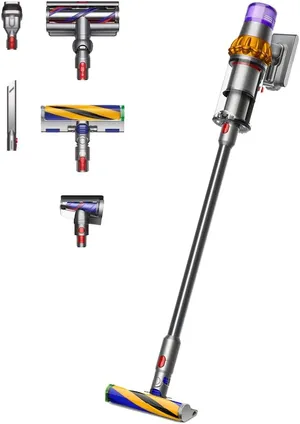
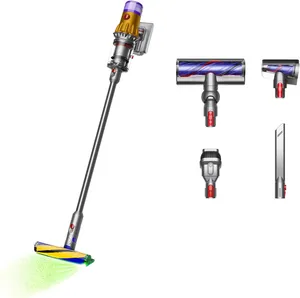
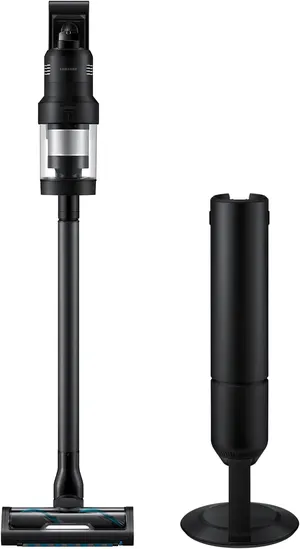
Are Dysons worth the premium price? Yes, mostly. They're not the best for every situation, but they're genuinely well-engineered machines. The motor is powerful, the design is clever and innovative, and they hold their value better than competitors. You're paying for quality engineering and research that went into the product. Australian retailers love Dyson, so you'll find them easily and warranty support is straightforward and hassle-free. That said, they're expensive. A Dyson V15 costs double what some decent cordless vacuums cost, and that doesn't mean it's twice as good. For most people, a Dyson is probably overkill, but if you've got budget available and want something that'll last and perform consistently, they deliver. If you can't justify the price, other brands like Samsung offer 85 percent of the performance for 60 percent of the cost. I wouldn't say Dyson is the only choice, but they're a solid choice if you want reliable, well-built equipment.
Weight Matters More Than You'd Think
A stick vacuum that's two kilograms lighter than a competitor might sound trivial until you're holding it above your head to clean ceiling cobwebs or reaching into awkward corners and shelves. Weight directly affects how often you'll use it and how long you can clean before getting tired and giving up. A heavy vacuum under two kilos feels light and comfortable. Anything over 2.5 kilos starts feeling genuinely tiring on extended use. Check reviews mentioning weight in real-world use, not just the spec sheet number. Some vacuum designs distribute weight badly, making a supposedly two-kilo unit feel heavier than it actually is. Dyson models are generally light and well-balanced despite having powerful motors, which is part of why people genuinely enjoy using them. If you're smaller in build or have mobility issues, weight becomes even more important to consider. Don't dismiss a slightly less powerful model if it's significantly lighter and works well for your home needs.
Accessories and What You'll Actually Use
Cordless stick vacuums come with various attachments: crevice tools, dusting brushes, motorised pet hair tools, floor heads, and more. Manufacturers include heaps of accessories to justify the price tag, but you'll use about three of them regularly. The motorised pet hair attachment is genuinely useful if you've got shedding pets. A crevice tool for corners and tight spaces gets used constantly. Everything else often stays in the cupboard collecting dust. Check what comes standard and whether accessories are compatible across the range if you upgrade models later. Some brands sell attachment kits separately if you want extras later. Don't let the accessory list sway your decision unless there's something you specifically need for your home. Focus on the core vacuum performance and whether it handles your floors well, and treat nice attachments as a bonus rather than a deciding factor. Most people use the same few attachments every time anyway.
Price Tiers in Australia
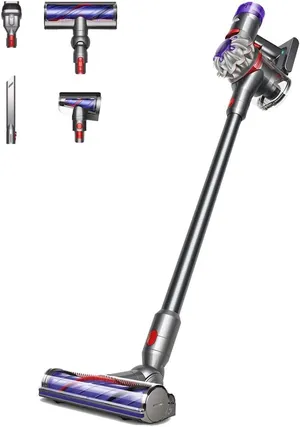
Budget cordless models ($300 to $600) work fine for small homes and light cleaning schedules. They're adequate but lack the power and battery capacity for larger homes or heavy use. Mid-range models ($600 to $1000) are where you want to be for most Australian households. Dyson V8 and similar alternatives deliver solid performance, decent battery life, and good build quality. Premium models ($1000 and above) add features like advanced filtration, larger dustbins, or extra accessories and widgets galore. Unless you have specific needs like serious pet hair shedding or a massive home to clean regularly, mid-range is the sensible choice. Entry-level models feel cheap and underperform on real-world cleaning. Premium models are impressive but expensive for marginal gains in performance. The mid-range sweet spot gives you 90 percent of the performance of premium models for 60 percent of the actual price. That's genuinely excellent value for your money overall today.
My Top Picks
Ready to pick one?
Check out my ranked list with scores, prices, and AU availability.
See the Best Stick & Cordless Vacuums