How to Choose a Robot Vacuum - Buyer's Guide
Last updated: 20 Feb 2026
Do You Actually Need a Robot Vacuum?
Honestly, yes if you've got pets or hard floors. If you're living alone with zero shedding and all carpet, you're probably wasting money. But if you've got a golden retriever or a tiled kitchen that gets dusty, a robot vacuum will change your life. I'm not being dramatic. It runs while you're at work or watching TV, and your floors stay clean without you doing anything. The time saving is real. Fair warning though: they don't replace a proper vacuum entirely. You'll still need one for stairs, corners, and the occasional deep clean. Think of a robot vacuum as a maintenance tool that keeps things tidy between proper cleans. Most people who own robot vacuums end up loving them because the convenience factor is massive. Instead of spending thirty minutes vacuuming weekly, you just empty a dustbin occasionally. If you've got a busy household or suffer from allergies, cleaner floors automatically running is genuinely valuable.
Vacuum-Only vs Vacuum and Mop Combo
The combo models are tempting, but I'd mostly skip them. Yes, having one machine that vacuums and mops sounds efficient. Problem is, the mopping performance is genuinely mediocre on all of them. You're basically getting a wet cloth dragged across your floors, not an actual mop. It works for touch-ups and spreading dust, but if you want real mopping, you'll buy a separate mop anyway. Save your money and get a dedicated vacuum. The vacuum-only models do one thing properly rather than two things poorly. The mopping tank adds weight and complexity without delivering results worthy of the cost. If you do want mopping included, the combo models still work fine for basic maintenance between proper mopping sessions, just don't expect miracles. For most Australian homes, a vacuum-only robot is the smarter choice. You'll get better vacuuming performance, a lower price tag, and less maintenance. Stick with single-purpose machines that excel at one job.
Self-Emptying Docks and What They Actually Do
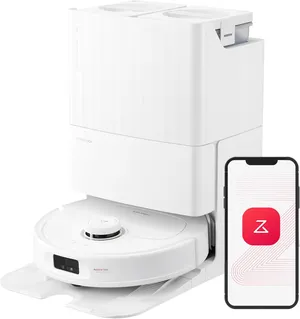
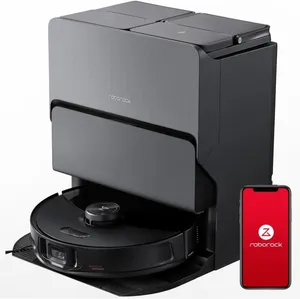
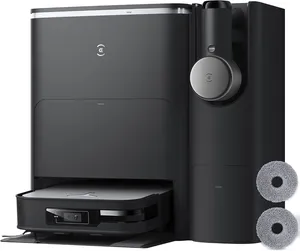
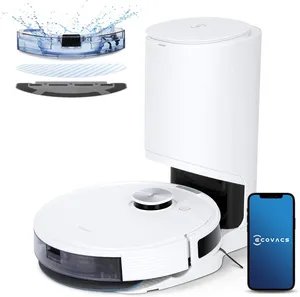
Self-emptying docks are brilliant and worth the extra cost. Here's what happens: the robot vacuum finishes its run, docks itself, and a vacuum inside the dock sucks the dust from the robot's dustbin into a larger container. You empty that container every 4 to 8 weeks instead of emptying the robot's tiny bin every few days. That's a massive quality-of-life improvement for people with pets or allergies. The dock sits on the floor and takes up space, so measure your room before buying. Mid-range models without docks force you to empty a dustbin the size of a coffee mug every second day, which gets annoying fast and creates more exposure to dust. The models with docks cost more upfront but save you endless hassle and hands-on maintenance. I'd pay extra for this feature unless you're on a tight budget. It genuinely improves the whole experience. You'll actually use it more often.
Suction Power Numbers Are Mostly Marketing
Manufacturers love quoting suction power in kiloPascals or air watts, and most of it's nonsense. A robot vacuum with 4000 Pa sounds impressive until you realise that number was measured in a laboratory under ideal conditions that never happen at home. Real-world performance matters way more than a spec sheet number. What actually matters is how well it picks up pet hair and whether it struggles on carpet. Read actual user reviews rather than manufacturer specs. I've seen 2000 Pa models outperform 5000 Pa competitors because the design and brush layout are better. Look for suction power in the 2000 to 3000 Pa range and focus instead on what reviewers say about performance with your exact flooring type. If you've got a lot of thick carpet, make sure the model you choose is rated for carpet cleaning, not just hard floors. Pet hair performance matters more than pure suction numbers.
Navigation and Obstacle Avoidance
LiDAR navigation is the gold standard. It uses a spinning laser to map your home precisely and navigate efficiently. Models with LiDAR clean faster, cover more ground, and rarely get stuck in corners or miss rooms. Camera-based navigation is cheaper but slower and more prone to getting confused. Some brands use both LiDAR and cameras, which is technically overkill. Obstacle avoidance matters significantly if you've got toys, cables, or anything else on the floor. Budget models sometimes miss obstacles and get tangled, which is frustrating. Mid-range and premium models with proper obstacle avoidance systems (using cameras or LiDAR) navigate around most things without getting stuck. Check reviews specifically mentioning obstacle avoidance performance, and pay attention to what people say about pet toys and cords. If your house is mostly open and tidy, cheaper navigation is fine. If you've got a lot of stuff on the floor, kids, or multiple rooms with different layouts, invest in better navigation technology.
App Quality Matters More Than You Think
The app is how you control the vacuum, schedule runs, and check on things when you're out. A bad app is genuinely frustrating. I'm talking about apps that lag, crash, or don't show your home map properly. Look for reviews that specifically mention app stability and responsiveness. The best apps let you set no-go zones (areas the vacuum shouldn't enter), name rooms for targeted cleaning, and schedule regular cleaning sessions without fiddling with settings constantly. Some apps are clunky and slow. Others are smooth and intuitive. This directly affects how much you'll enjoy owning the thing over time. If you plan to use voice control with Alexa or Google Home, check compatibility before buying. App quality matters more than you'd think. A slightly more expensive model with a solid, responsive app is worth it over a cheaper model with a frustrating interface that makes you regret the purchase immediately. Live with the app daily.
Price Tiers and What You're Actually Getting
Budget models ($300 to $600) have basic navigation, no self-emptying dock, and smaller dustbins. They work fine for light cleaning and small homes but are annoying to maintain daily. You'll spend more time emptying the dustbin than with premium models. Mid-range models ($600 to $1500) are where the value sits. You get proper LiDAR navigation, self-emptying docks on most, and solid app control. This is the sweet spot for most Australian homes. Premium models ($1500 and above) add extra features like advanced mopping, higher suction power, or AI obstacle avoidance. They're impressive but expensive for marginal gains. Unless you've got a large home or serious pet shedding, mid-range delivers significantly better value. The jump from basic to mid-range is massive in actual performance and convenience. The jump from mid-range to premium is smaller and mostly luxury features you won't use daily. Buy mid-range unless you have specific needs like massive homes.
My Top Picks
Ready to pick one?
Check out my ranked list with scores, prices, and AU availability.
See the Best Robot Vacuums