How to Choose a BBQ - Buyer's Guide
Last updated: 3 Feb 2026
Gas vs Charcoal vs Pellet: Which Should You Choose
Most Australians should start with gas. It's fast to heat, easy to control temperature, simple to maintain, and you're ready to cook in 10 minutes. That's why Weber Spirit E-310 and similar gas models dominate backyard barbecues here.
Charcoal is brilliant for flavour and atmosphere, but you're looking at 30-45 minutes to get heat right, more cleanup, and less precision. Great hobby stuff, proper faff factor.
Pellet grills like the Traeger Ironwood are temperature-controlled wood-fired cooking. Exceptional flavour, sets and forget operation, but they're expensive ($2,700), need power, and break down more often. They're serious investment gear.
Unless you're specifically after charcoal flavour or you're committed to pellet cooking as a hobby, go gas. You'll actually use it regularly instead of letting it sit gathering rust between December barbecues.
How Many Burners You Actually Need
Most people overestimate how many burners they need. A two-burner is genuinely fine. You can sear on one side, keep warm on the other, done.
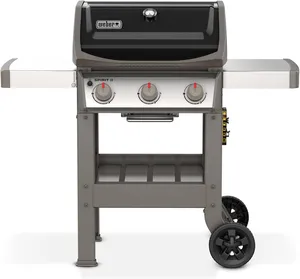
If you're cooking for more than 6 people regularly, three burners makes sense. You get main cooking area, secondary area, and somewhere to rest meat. The Weber Spirit E-310 is three burners at $799, which is right price-wise.
Four or more burners? That's into weekend entertainer territory. Beefeater 1200S is four burners at $1,799. Great if you're cooking for 10 people and want different zones, but honestly overkill for most households.
More burners means higher price, larger footprint, more to maintain. Buy what you'll realistically use. A two-burner that gets used every week is better than a four-burner gathering flies.
Built-in vs Portable: Space and Permanence
Portable models (most Webers at this price point) sit on a cart with wheels. You can move them around, take them to a mate's house, reposition if needed. Brilliant for flexibility. Most homes start here.
Built-in barbecues are integrated into a permanent structure, usually an outdoor kitchen. They look professional, use the space efficiently, and you're not moving them. Costs more to install, less flexible, but proper job if you've got the space and budget.
Most Australians in standard homes should buy portable. You get the option to move later if your garden layout changes. Built-in makes sense if you're renovating and planning permanent outdoor kitchen setup.
Don't overthink it. A portable gas BBQ in a good quality cart is perfectly respectable and leaves you flexibility.
Australian-Specific Considerations
The sun is intense here. A stainless steel barbie handles Australian UV better than painted models. The Weber Spirit E-310 is stainless, which helps with longevity. UV breaks down paint and coatings, rust sets in faster.
Rain and moisture are issues too. Coastal areas especially. Cover your barbecue when not in use. Doesn't matter how good it is if you don't shelter it. A decent cover costs $50 and doubles the lifespan.
Bushfire season. If you're in fire-prone areas, keep your barbecue clear of overhanging branches and vegetation. Don't store gas bottles right next to wooden fences or garden furniture. It's not just fire safety, it's about not getting caught in embers.
Galah-proofing is a real thing. They'll peck at anything shiny or unfamiliar. Not a reason to avoid stainless steel, but don't leave a brand new barbecue uncovered if you're in bird territory.
Brand Reliability: Weber vs Beefeater vs Budget Options
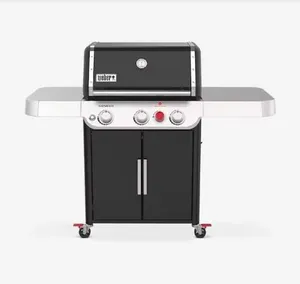
Weber is the gold standard globally and here in Australia. The Spirit and Genesis ranges are built properly, parts are available, and they last decades with basic care. You'll pay for that reputation, but it's earned.
Beefeater is British engineering, solid build, reasonable availability in Australia. The 1200S is more expensive but well-regarded. Less common than Weber here, so parts availability is slightly behind.
Budget barbecues from Bunnings (Sunbeam, no-name brands) are cheaper upfront. They work, sure. But they're thinner material, rust faster, parts are hard to find, and repairs get expensive. Not worth saving $200 if it becomes a rust bucket in three years.
Traeger is premium pellet brand, excellent support, but you're in a different category price-wise. Not comparable to a Weber unless you specifically want pellet cooking.
Australian Price Tiers and What You Get
Budget: $200-500. Two-burner portable, basic stainless or painted steel. Bunnings specials. They work, but you're not getting longevity. Expect 3-5 years of decent use.
Mid-range: $500-1,000. Weber Spirit E-310 sits here at $799. Three burners, proper stainless steel, reliable ignition, good heat control. This is the sweet spot. Gets 10+ years with basic maintenance.
Higher-end: $1,000-2,000. Four burners, dual zone control, premium materials. Beefeater 1200S at $1,799 is this tier. Excellent if you entertain seriously.
Premium: $2,000+. Traeger Ironwood at $2,699 is top-tier pellet cooking. Different category entirely. For serious enthusiasts.
Most Australian households should target mid-range. You get reliability and longevity without the premium price tag.
My Top Picks
Ready to pick one?
Check out my ranked list with scores, prices, and AU availability.
See the Best BBQs