How to Choose an Air Purifier - Buyer's Guide
Last updated: 7 Mar 2026
Do You Actually Need One? Australia's Bushfire Season Says Yes
If you live in a bushfire-prone area, an air purifier is genuinely useful during smoke season. Particulate matter from smoke damages lung health, and an air purifier with a good HEPA filter removes it effectively. Even if you don't live in a high-risk fire area, poor air quality happens. Depending on where you live, you might need one seasonally or year-round. In cities with regular pollution events, an air purifier keeps your indoor air noticeably cleaner. If you've got asthma, allergies, or live somewhere with seasonal smoke, buy one. If you live in a clean air area and have no respiratory issues, you might not need one. That said, allergies and respiratory problems are genuinely common, and cleaner air never hurts your health. An air purifier in a bedroom where you sleep is genuinely useful if you're sensitive to dust or pollen. Consider your local air quality history and any health concerns in your household.
HEPA Filters Explained, And Why HEPA 13 Is What You Want
HEPA stands for High Efficiency Particulate Air. HEPA filters capture 99.97 percent of particles 0.3 micrometres or larger. That includes dust, pollen, mould spores, and most allergens. The issue is, HEPA ratings have levels. HEPA 10 through HEPA 14 exist, with higher numbers filtering more aggressively. HEPA 13 is the standard in consumer air purifiers and works brilliantly for home use. It catches what matters most effectively. HEPA 14 is medical-grade overkill for home use and drives up costs unnecessarily. Cheap air purifiers sometimes claim HEPA without meeting true standards, so check for proper certification from the manufacturer. During bushfire season, a true HEPA 13 filter stops fine smoke particles effectively. Don't buy an air purifier without HEPA filtering. It's the core technology that actually works well. Check the product description confirms HEPA 13 or higher, not just HEPA-type (which is meaningless marketing nonsense). Verify the certification before buying anything.
Room Size Coverage and CADR Ratings
CADR stands for Clean Air Delivery Rate. It measures how quickly an air purifier cleans air in a room. A higher CADR means faster cleaning power. Most air purifiers list CADR ratings for dust, tobacco smoke, and pollen. Don't stress over exact numbers. Instead, check the square metre coverage the manufacturer claims. An air purifier rated for 30 square metres won't do much in a 50-square-metre lounge. It'll run constantly and still lag behind. Match the purifier size to your actual room carefully. If you want to cover a large open space, buy a larger purifier or install multiple smaller ones. Most bedrooms are 12 to 20 square metres. A purifier rated for 20 to 30 square metres cleans effectively without being unnecessarily loud. Living rooms are bigger, so you might need a larger model. Check coverage ratings carefully, not just CADR numbers. A model with slightly lower CADR but correct room size coverage beats one that's undersized for your space.
Noise Levels, Especially for Bedrooms
An air purifier running in your bedroom all night is pointless if it's so loud you can't sleep. Noise levels increase dramatically with fan speed. Low settings are quiet, usually 20 to 30 decibels. Medium settings are noticeable but tolerable, around 40 to 50 decibels. High settings are genuinely loud, 60 decibels and above. For a bedroom, you want a purifier that's quiet on lower settings. Check reviews specifically mentioning noise levels on different fan speeds. Some purifiers are louder than others despite similar performance. If sleep quality matters to you, invest slightly more in a quieter model. Many modern air purifiers have quiet modes or can run overnight on low fan speed. A bedroom purifier should be bearable to sleep through, or you won't use it consistently. Living room noise doesn't matter as much since you're not sleeping there, so you can tolerate louder operation. Noise is genuinely important for bedroom use.
Filter Replacement Costs, The Hidden Ongoing Expense
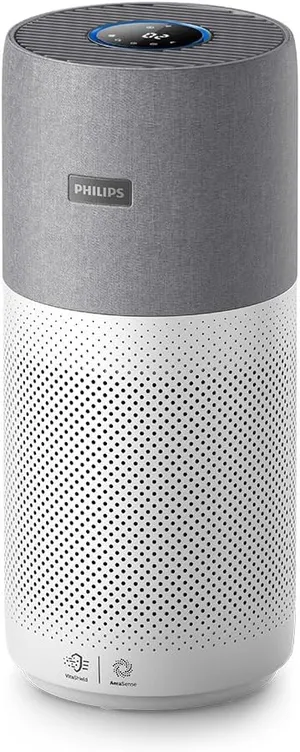
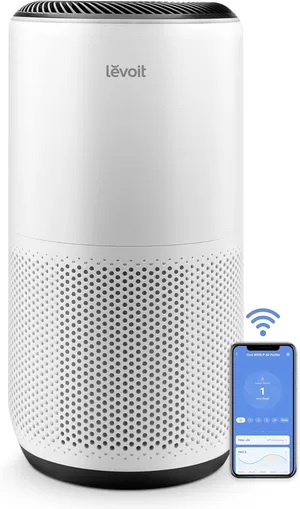
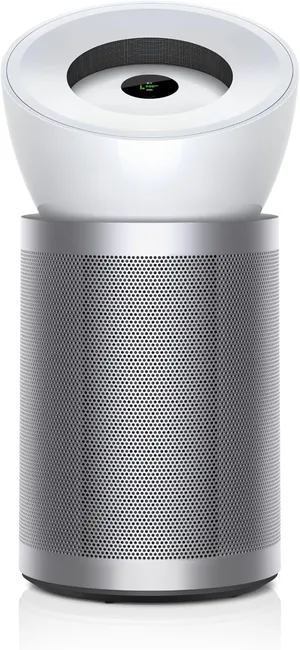
Here's what manufacturers don't emphasize: filters aren't permanent. HEPA filters need replacing every six to twelve months depending on air quality and usage. Replacement filters cost anywhere from thirty to one hundred fifty dollars. A purifier that costs two hundred dollars and needs a hundred-dollar filter annually adds up quickly. Some brands have dirt-cheap filters, others are expensive. Calculate total cost of ownership before buying. A cheaper purifier with expensive filter replacements ends up costing more than a pricey purifier with affordable filters. Check filter availability too. Rare filters become annoying to source when you need one. Dyson air purifiers are expensive upfront, but replacement filters are pricey too. Levoit and Philips balance reasonable purchase price with affordable filters. During bushfire season when you run the purifier constantly, filters get clogged faster than normal. Budget accordingly for this. Don't buy a bargain purifier without checking replacement filter costs. You'll regret it after six months when the filter needs replacing.
Smart Features and App Control
Smart air purifiers connect to your phone and show air quality readings, let you schedule operation, and adjust fan speeds remotely. Nice features, but not essential. A basic purifier without Wi-Fi still works fine. Smart features matter if you want to turn it on remotely before you get home, or check air quality when you're away. Most people don't need this functionality. That said, air quality sensors on smart models let you see real-time pollution levels in your room, which is interesting and useful for understanding when air quality is bad. Automatic fan speed adjustment based on detected pollution is handy. Voice control with Alexa or Google Home is a bonus if you're into smart home stuff. Don't pay significantly more just for smart features. If two purifiers cost similar amounts and one is smart, sure, pick that one. If the smart version costs heaps more, save your money and stick with basic operation.
Price Tiers in Australia
Budget air purifiers ($100 to $300) work fine for small rooms and light pollution. They're adequate for bedroom use during normal times. Quality varies widely, so check reviews carefully. Mid-range models ($300 to $700) deliver better filtration, quieter operation, and larger room coverage overall. This is where most people should buy. Premium models ($700 and above) add smart features, higher CADR ratings, and brand prestige (often Dyson or similar). They're impressive but expensive for marginal gains over mid-range. During bushfire season, even a budget purifier beats nothing at all. Year-round, a mid-range model in your bedroom is worth the investment. Unless you're filtering a massive space or want premium smart features, mid-range delivers solid value. Calculate filter replacement costs when comparing prices carefully. A cheap purifier with expensive filters is worse value than a mid-range model with affordable replacements. Total cost of ownership matters more than initial price tag overall.
My Top Picks
Ready to pick one?
Check out my ranked list with scores, prices, and AU availability.
See the Best Air Purifiers