How to Choose a Flagship Smartphone - Buyer's Guide
Last updated: 18 Jul 2026
iOS vs Android: The Ecosystem Decision Outweighs the Hardware
The first decision in flagship smartphone shopping is which ecosystem you want to live in for the next 5-7 years. The hardware differences between flagship iPhones and flagship Androids in 2026 are real but secondary to the ecosystem lock-in that follows.
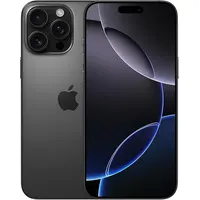
iOS on iPhone 17 Pro / Pro Max gives you the deepest integration with Mac, iPad, Apple Watch, AirPods, HomePod, and Apple TV. iMessage, FaceTime, AirDrop, Universal Clipboard, Continuity Camera, Apple Pay with full bank coverage in Australia, Health app data continuity, and the iCloud+ sync that just works. Trade-offs: locked App Store, no real file system, sideloading still restricted in Australia.
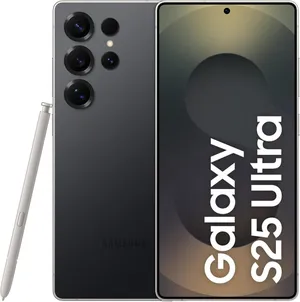
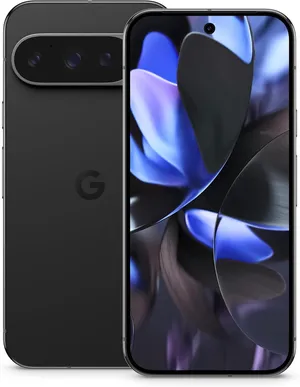
Android (Samsung Galaxy S26 Ultra, Google Pixel 10 Pro / Pro XL, OnePlus 13 Pro) gives you broader hardware variety, Google ecosystem integration if you live in Gmail / Google Photos / Google Drive / Workspace, USB-C with full file system access, sideloading apps, and more aggressive innovation in computational photography. Samsung's One UI is heavier than Pixel's stock Android; some buyers prefer one over the other.
If you already use a MacBook, iPad, or Apple Watch, the iPhone is the right answer. If you live in Google services or want maximum hardware flexibility, Pixel or Samsung are the right answers. Switching ecosystems is genuinely painful (rebuilding photo library, paid apps, contact sync, smart home integrations); pick the right one the first time.
Camera Systems: Where Flagships Actually Earn Their Premium
The camera is the single feature that justifies flagship pricing for most buyers in 2026. Mid-range phones have caught up on screen, performance, and battery; cameras remain the genuine differentiator.
iPhone 17 Pro Max ships with a 48MP main with f/1.78 aperture, 48MP ultrawide, and 12MP 5x telephoto with sensor-shift OIS. Apple's computational photography pipeline (Smart HDR 5, Photonic Engine) prioritises natural-looking results with strong dynamic range. Video remains the strongest in the category: ProRes 4K 60FPS, Cinematic Mode in 4K HDR, Dolby Vision capture and playback. The Pro Max specifically gets the longest telephoto (5x optical) where the smaller Pro has 3x.
Samsung Galaxy S26 Ultra ships with a 200MP main, 50MP ultrawide, 50MP 3x telephoto, and 50MP 5x telephoto (the only flagship with two dedicated telephotos). Samsung's pipeline tends toward saturated colours and aggressive sharpening; not always natural but very shareable. Best raw zoom in the category at 100x digital (10x optical equivalent quality).
Google Pixel 10 Pro ships with a 50MP main, 48MP ultrawide, 48MP 5x telephoto. Google's Tensor G5 chip drives the strongest computational photography in the category: Magic Eraser, Magic Editor, Best Take, Audio Magic Eraser. Low-light performance leads with Night Sight; the Pixel takes better low-light photos than iPhone or Samsung.
For everyday shooting, all three are excellent. The differentiation: iPhone for video, Samsung for zoom range, Pixel for low light and computational features.
Display, Battery, and Charging in 2026
Flagship displays in 2026 are largely indistinguishable in everyday use. iPhone 17 Pro Max: 6.9-inch Super Retina XDR OLED at 120Hz ProMotion, 2,000 nits HDR peak. Galaxy S26 Ultra: 6.9-inch Dynamic AMOLED 2X at 120Hz, 2,500 nits HDR peak. Pixel 10 Pro: 6.8-inch LTPO OLED at 120Hz, 2,400 nits HDR peak. All have proper variable refresh down to 1Hz for static content.
Battery: real-world expectations of 7-8 hours screen-on time across all three flagships. Pixel 10 Pro leads slightly due to Tensor G5's efficiency. iPhone 17 Pro Max is competitive. Samsung Galaxy S26 Ultra trails by 30-45 minutes in heavy use.
Charging: iPhone 17 Pro Max supports MagSafe 25W wireless, Qi2 25W wireless, and USB-C PD 35W wired (gets to 50% in 30 minutes). Galaxy S26 Ultra supports 45W wired, 15W Qi wireless. Pixel 10 Pro supports 45W wired, 23W Qi wireless. Samsung leads on wired charging speed; Apple leads on wireless charging convenience due to the magnet alignment.
None of the three include a charger in the box. Budget $40-90 for a quality USB-C PD charger or MagSafe charger separately.
Software Support: How Long Will It Stay Current
Software support runways have become a meaningful differentiator. Android brands have caught up to Apple here in 2025-2026.
iPhone 17 Pro Max: typically 6-7 years of major iOS updates (iPhones from 2018 still get current iOS in 2026). Apple has not formally committed to a number of years but the track record is excellent.
Samsung Galaxy S26 Ultra: 7 years of OS updates committed (announced 2024). Will receive Android updates through 2033 and security patches through 2034.
Google Pixel 10 Pro: 7 years of OS updates and security patches committed. Same Android 15 baseline as Samsung but Pixel gets updates first.
The 7-year support commitment from Samsung and Google materially changes the long-term value math. A $1,800 Pixel 10 Pro you buy in 2026 will still be receiving Android 22 in 2033, which matches iPhone's typical lifespan. The historical Android complaint of two years of updates and abandoned no longer applies to flagships.
Australian Carrier Compatibility and 5G Bands
All flagship phones sold by Apple Australia, Samsung Australia, and Google Australia are unlocked and support all Australian carrier 5G bands (Telstra n28, n78, n40, n5, n3; Optus same; TPG / Vodafone same). The carrier-locked variants from Telstra Direct, Optus Direct, and Vodafone Direct have minor cosmetic differences (carrier logo, occasional bloatware app pre-installed) but functionally identical to unlocked variants.
The Australia mmWave 5G situation is unresolved. Telstra runs limited mmWave (n261) in Sydney CBD only. The iPhone 17 Pro Max US variant has mmWave hardware; the Australian variant does not (Apple ships region-specific mmWave to keep costs down). Samsung S26 Ultra and Pixel 10 Pro Australia variants similarly lack mmWave. For 99 percent of Australian users this does not matter; mmWave coverage is not meaningful enough to drive a buying decision.
Dual-SIM support: iPhone 17 Pro Max in Australia is eSIM-only (Apple removed the physical SIM slot in 2024). Samsung S26 Ultra has eSIM plus physical SIM. Pixel 10 Pro has eSIM plus physical SIM. For travellers who use local SIM cards overseas, Samsung and Pixel are easier; iPhone requires eSIM configuration through carriers' apps which is fine but less universal.
Australian Price Tiers in 2026
Premium flagship ($1,799 to $2,499) at base storage: iPhone 17 Pro 256GB ($1,949), Galaxy S26 Ultra 256GB ($1,899), Pixel 10 Pro 256GB ($1,799), OnePlus 13 Pro 256GB ($1,499). The right tier for most flagship buyers; full feature set, multi-year software support, top-tier camera systems.
Premium flagship Plus / Max ($2,200 to $2,899): iPhone 17 Pro Max 256GB ($2,199), Galaxy S26 Ultra 512GB ($2,299), Pixel 10 Pro XL 256GB ($2,099). The size upgrade for buyers who prefer 6.9-inch panels and longer battery life. iPhone Pro Max specifically gets the longer 5x telephoto.
Storage upgrades: each step from 256GB to 512GB to 1TB costs $200-300. For most buyers, 256GB is enough (cloud sync handles photo storage, streaming handles music and video). 1TB only earns its premium for video creators recording in ProRes or 8K, or buyers who download enormous offline media libraries.
Sales matter more than they used to. JB Hi-Fi runs major flagship sales around EOFY (June), Black Friday (November), Boxing Day (December), and the iPhone launch window (October-November when previous-gen drops). Carrier 24-month plan deals from Telstra and Optus typically work out 5-15 percent more expensive than buying outright over the device life; the financing convenience is the value, not the price.
Where to Buy and ACL Coverage
Australian Consumer Law for flagship smartphones follows the same retailer-first rule. The reasonable-durability standard for a $2,000-plus phone is 4-6 years, well beyond the typical 1-year manufacturer warranty.
Apple Store Australia (iPhone): rarely cheapest, cleanest warranty path. Apple Education Store offers small discount (around 5%) for students and teachers on iPhone. Apple Trade In on previous iPhone reduces effective price by $300-800.
Samsung Australia direct (Galaxy): aggressive trade-in programmes drop effective price by $400-900 for buyers trading recent Galaxy or iPhone hardware. Samsung Direct often runs better promotions than retailers.
Google Store Australia (Pixel): direct channel for Pixel; trade-in programmes available. Pixel 10 Pro stock is more limited than iPhone or Galaxy in Australia; check availability before walking into JB Hi-Fi.
JB Hi-Fi stocks all three brands at competitive pricing. Care Plus extended warranty mostly duplicates the ACL.
Telstra, Optus, Vodafone direct: 24-month financing plans, sometimes with bonus inclusions (gigabyte bonuses, Apple TV+ subscription, Disney+ subscription). Carrier-locked unit makes resale slightly harder. Acceptable if the financing convenience is worth the slight long-term premium.
Avoid grey-market US/UK imports. Australian flagship variants have the right 5G bands, the Australian eSIM carrier profiles, and the Australian warranty path. US and UK variants will work on Australian networks but the carrier provisioning and warranty access are more painful.
AppleCare+ at $269/year for iPhone 17 Pro Max, Samsung Care+ at $189/year for S26 Ultra, and Google Preferred Care at $159/year for Pixel 10 Pro all add accidental damage cover that the ACL does not give you. Worth considering for daily-carry phones.
What to Test in the First 30 Days
Smartphone defect screening in the first 30 days is critical because daily-carry use exposes issues quickly.
Display. Run full-screen black, white, red, green, blue test patterns. Look for stuck pixels, dead pixels, OLED uniformity issues (faint pink or green tints in grey backgrounds). Premium OLED panels usually flawless; defects are easier to claim early.
Touch responsiveness. Test all four corners and edges of the display. Test multi-touch (pinch-to-zoom in Photos). Some new units ship with calibration issues at edges that are harder to claim later.
Battery. Track battery life over the first week. iPhone 17 Pro Max should deliver 7-8 hours screen-on time on Wi-Fi; if yours dies at 4-5 hours, that is a defect.
Camera. Take photos in bright sun, indoor low-light, and night mode. Check all lenses (main, ultrawide, telephoto on each side). Watch for soft focus, lens flare in unusual patterns, or banding in low-light shots.
Wireless and biometric. Test Wi-Fi range, Bluetooth pairing with at least two devices, NFC tap-and-pay (Apple Pay or Google Pay), Face ID or fingerprint sensor, eSIM provisioning if applicable.
Charging. Test wired (USB-C PD) and wireless (MagSafe / Qi2). Confirm fast-charging speeds match spec.
If any of the above fails in the first 30 days, return for full refund or exchange under the retailer's return policy and the ACL major-failure rules. Wait at least 14 days before applying screen protectors that are difficult to remove cleanly.
My Top Picks
Ready to pick one?
Check out my ranked list with scores, prices, and AU availability.
See the Best High-End Smartphones